2026-11-12 ·
Preventing Mold in Your Pasadena Home: A Seasonal Checklist
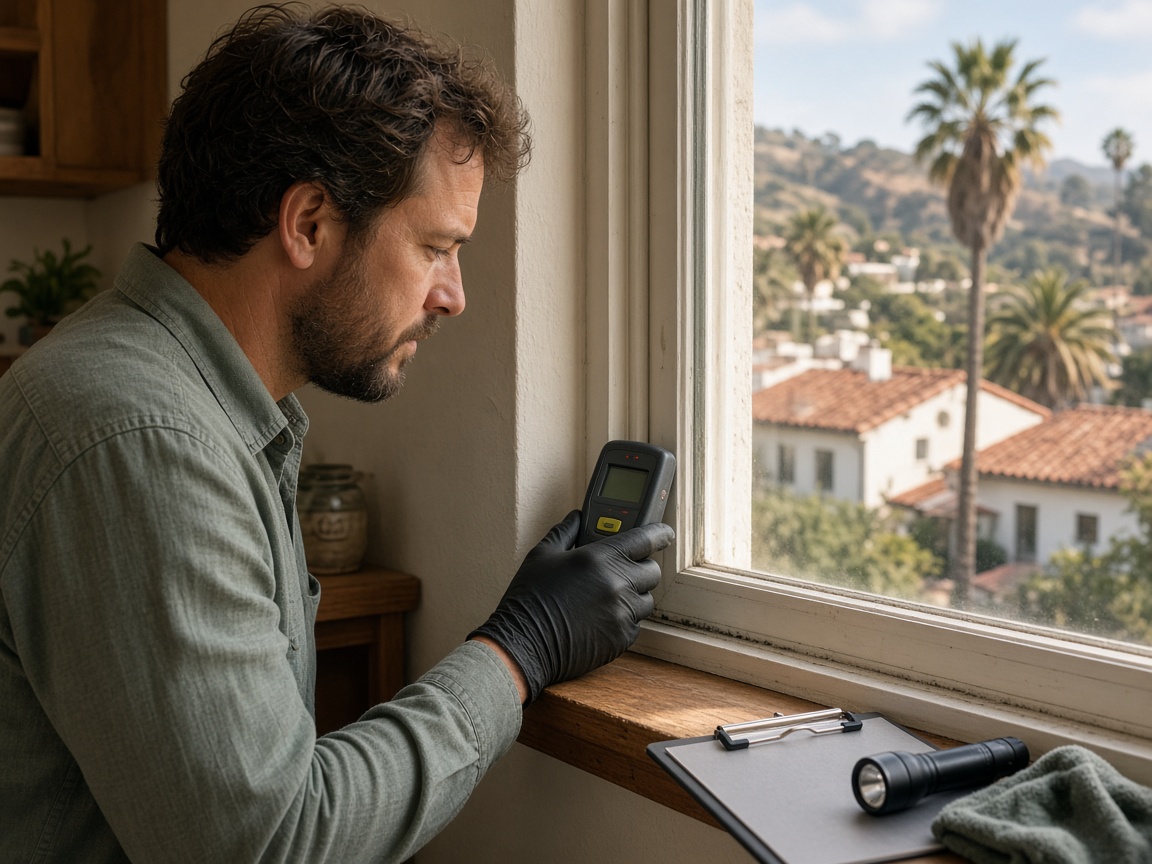
Preventing mold in your Pasadena home is a year-round commitment, requiring proactive steps tailored to our local climate. While a complete mold-proof environment is unrealistic, consistent seasonal maintenance can drastically reduce the risk of significant growth. This isn't about one-time fixes; it's about understanding how our hot, humid summers and mild, damp winters in Harris County create ideal conditions for mold, and then implementing a practical, seasonal checklist to mitigate those risks. By focusing on specific areas like proper ventilation, moisture control, and timely repairs, homeowners in neighborhoods from Downtown Pasadena to Golden Acres can safeguard their properties against the pervasive issue of mold.
Spring: Post-Winter Refresh and Leak Vigilance
As winter fades and our mild Pasadena temperatures rise, spring brings with it the potential for increased humidity and lingering moisture from cooler months. This is a critical time for inspecting your home for any signs of water intrusion or dampness that might have gone unnoticed. Pay close attention to your roof and gutters; clogged gutters can cause water to back up and seep into your attic or walls, creating prime conditions for mold. Check around windows and doors for compromised seals, which can let in both moisture and humid air. For homes near Armand Bayou, the higher water table can sometimes mean increased ground moisture, so inspect your crawl space and basement for any dampness or musty odors. Addressing these issues early can prevent more extensive problems later, especially before the full onset of summer humidity.
Inside your home, spring is an excellent time to clean out your HVAC system and change filters. A clean system not only improves air quality but also helps manage indoor humidity levels more effectively. Consider running a dehumidifier in areas prone to dampness, such as basements or even larger laundry rooms, to maintain indoor humidity below 60%. Look for any signs of water stains on ceilings or walls, which could indicate a slow leak. A small, unaddressed leak can quickly turn into a significant mold problem, necessitating professional Mold Remediation if left too long. Taking these steps now sets a strong foundation for a mold-resistant home as we transition into the hotter months.
Summer: Battling the Heat and Humidity
Pasadena's summers are defined by their intense heat and high humidity, making this season a prime time for mold growth. Our humid subtropical climate means that outdoor air consistently carries a lot of moisture, which can easily infiltrate your home. The key during summer is diligent humidity control. Ensure your air conditioning system is running efficiently; it not only cools but also dehumidifies. If your AC struggles to keep humidity levels down, consider a whole-house dehumidifier. Pay special attention to bathrooms and kitchens, which generate a lot of moisture. Always use exhaust fans during and after showering or cooking, and ensure they vent to the outside, not into the attic. For more information on dealing with specific areas, our article on Bathroom Mold Removal offers detailed advice.
Beyond humidity, summer storms can bring heavy rains, increasing the risk of leaks or flooding. After any significant rainfall, especially in low-lying areas or older homes in Red Bluff, inspect your property for water intrusion. Check your attic for any signs of water entry—even small leaks can lead to significant Attic Mold Removal projects. Ensure your landscaping slopes away from your foundation to direct rainwater runoff effectively. If you have a crawl space, regular inspections for standing water or dampness are crucial. The combination of heat and moisture creates an ideal breeding ground for mold, so vigilance during summer is paramount.
Fall: Preparing for Cooler, Wetter Weather
As the intense summer heat begins to wane, fall in Pasadena brings a different set of challenges for mold prevention. While temperatures cool, humidity often remains high, and we start to see more frequent rains. This transition period is ideal for sealing up your home against the coming cooler, damper weather. Inspect all exterior caulking and weather stripping around windows and doors, replacing any that are cracked or missing. This prevents damp air from entering your home and helps maintain a stable indoor environment. It's also a good time to ensure your gutters are clear of leaves and debris, preparing them for the increased rainfall we often see in late fall and winter.
Inside, continue to monitor humidity levels, especially as you might be tempted to turn off your AC more frequently. Without the dehumidifying action of your air conditioner, indoor humidity can climb quickly. Consider using standalone dehumidifiers in damp areas. Also, check around pipes and plumbing fixtures for any small leaks that might have developed over the summer. A slow drip under a sink or behind a washing machine can lead to hidden mold growth, often only discovered when a musty odor becomes noticeable. For those living in older homes near the Pasadena Historical Society Museum, these inspections are particularly important, as older plumbing can be more prone to leaks. Proactive checks now can save you from a major Mold Removal headache later.
Winter: Managing Indoor Moisture and Cold Weather Risks
Pasadena's mild winters, while a welcome change from summer, still present mold risks, primarily due to increased indoor moisture. As we seal up our homes to keep warm, ventilation often decreases, trapping humidity inside. Activities like cooking, showering, and even breathing contribute to indoor moisture. Ensure your exhaust fans are working effectively in bathrooms and kitchens. If condensation regularly forms on your windows, it's a clear sign of high indoor humidity that needs to be addressed. Running a dehumidifier, especially in areas like basements or utility rooms, can be very beneficial during the winter months.