2026-11-12 ·
Understanding Mold Growth After Pasadena's Humid Summers
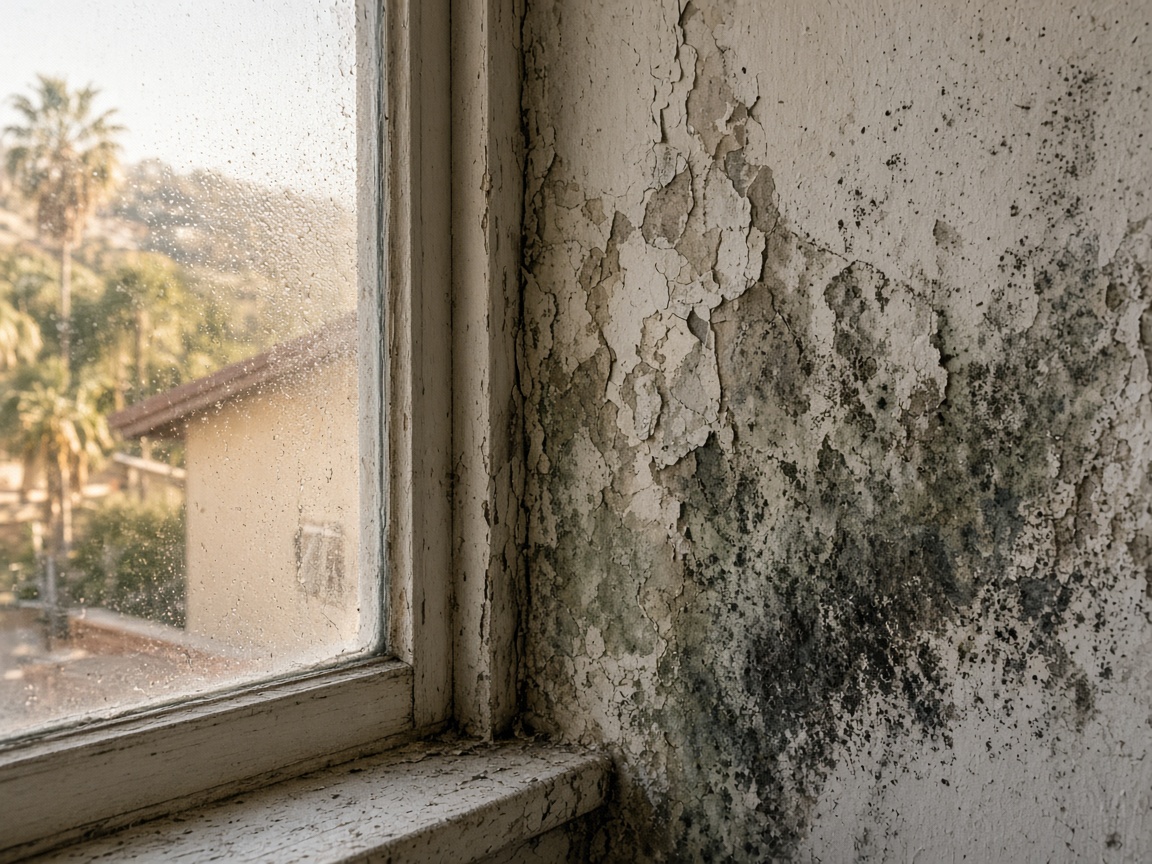
After Pasadena's humid summers, mold growth is a common concern for many homeowners, often appearing weeks or even months after the peak humidity has subsided. The city's subtropical climate, characterized by long stretches of hot, moist air, provides the perfect breeding ground for mold spores to proliferate in hidden areas. While you might associate mold with active leaks, the lingering humidity alone, especially in older homes found in areas like Downtown Pasadena or Golden Acres, can be enough to trigger significant growth. This article will delve into the specific local conditions that contribute to this issue and guide you on what to look for.
Pasadena's Climate: A Mold Haven
Pasadena, situated in Harris County, experiences a humid subtropical climate that is particularly conducive to mold. Our summers are not just hot; they are intensely humid, with moisture levels often staying above 70% relative humidity for extended periods. This airborne moisture infiltrates homes, condensing in cooler spaces like attics, crawl spaces, and behind walls. Even with air conditioning running, if not properly maintained, it can struggle to remove enough moisture from the air. This sustained dampness, combined with the organic materials present in most homes—like drywall, wood, and insulation—creates an ideal environment for mold spores to germinate and grow. The transition from summer to milder winters doesn't immediately solve the problem; rather, it often reveals the extent of growth that has been silently developing.
Common Hotspots for Mold After Summer
Once the oppressive summer heat breaks, many Pasadena homeowners begin to notice the tell-tale signs of mold in areas they might not have considered. Attics are particularly vulnerable, especially in homes near Armand Bayou, where the combination of trapped heat and moisture can lead to significant attic mold. Poor ventilation, common in older homes, exacerbates this issue. Crawl spaces are another prime location, as they often have limited airflow and can accumulate moisture from the ground. Basements, though less common in Pasadena's housing stock, are also susceptible to moisture intrusion and subsequent mold growth.
- Attics: Look for dark staining on wood rafters, sheathing, and insulation. A musty odor is a strong indicator.
- Bathrooms: Beyond visible shower mold, check behind toilets, under sinks, and around exhaust fans.
- Under Carpets and Flooring: Especially in rooms that experienced any minor leaks or spills that weren't thoroughly dried.
- Behind Walls: Often indicated by bubbling paint, wallpaper peeling, or a strong, persistent musty smell.
- HVAC Systems: Condensation within ductwork can lead to mold spreading throughout your home's air. Regular filter changes are crucial.
Identifying Mold: Beyond the Visible
While some mold is clearly visible as black, green, or white fuzzy patches, much of it remains hidden. A persistent musty odor is often the first and most reliable sign of hidden mold growth. This smell is caused by microbial volatile organic compounds (MVOCs) released by actively growing mold. If you detect this odor, particularly after a long, humid summer, it's worth investigating. In neighborhoods like Red Bluff or Golden Acres, where homes might be older, pay close attention to areas around windows and doors where condensation might have accumulated. For a deeper understanding of detection, consider reading our article on Mold Inspection.
Another indicator can be a sudden increase in allergy-like symptoms among residents. While not a definitive diagnosis, mold exposure can trigger respiratory issues, sneezing, and skin irritation. If these symptoms worsen when you are home and improve when you leave, it might point to an indoor air quality issue related to mold. It's important to remember that mold can grow on almost any surface where moisture and organic material are present, making thorough inspection crucial.
The Importance of Timely Remediation
Ignoring mold, especially after a humid Pasadena summer, can lead to more extensive damage and potentially higher remediation costs down the line. What might start as a small patch can quickly spread, compromising structural integrity and impacting indoor air quality. If you suspect mold, an owner-operated business like ours can provide upfront quotes and workmanship you can inspect. Addressing the issue promptly is key to preventing its spread to other areas of your home, including into areas like Deer Park or La Porte if not contained. For insights into costs, refer to our blog post on The Cost of Mold Remediation in Pasadena: What to Expect.
Our approach to mold remediation involves not just removing the visible mold but also addressing the underlying moisture source to prevent recurrence. This often includes identifying and repairing leaks, improving ventilation, and ensuring proper drying of affected areas. We understand the specific challenges posed by Harris County's climate and tailor our solutions accordingly. Don't let the after-effects of summer humidity compromise your home's health and structural integrity.